

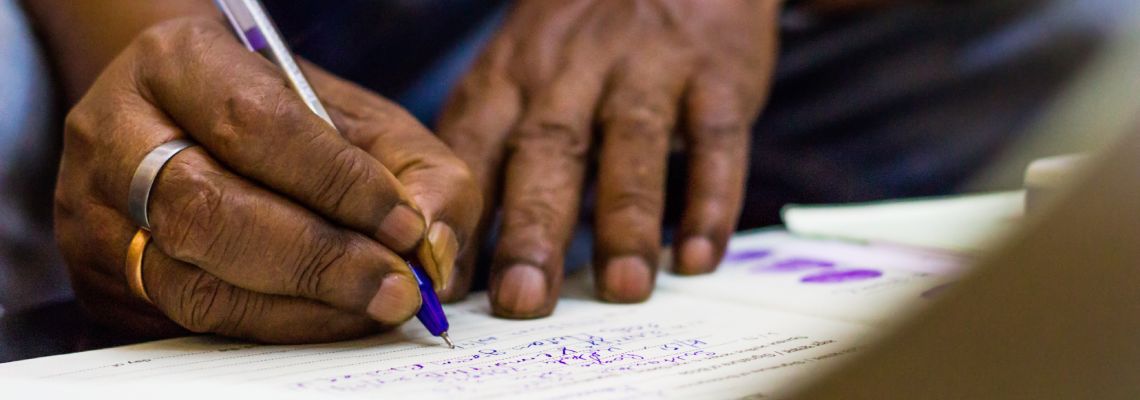
Common Mistakes to Avoid When Drafting a Will
Drafting a will is a critical part of estate planning, and taking the time to do it right can prevent confusion and conflict later. Simple oversights can sometimes lead to disputes or unintended outcomes, which is why paying attention to details is vital.
At Webb & Associates, we help clients with estate planning by carefully addressing wills, trusts, and asset distribution. We review individual circumstances, draft precise documents, and provide practical guidance for keeping plans up to date over time. We serve clients in Houston, Sugar Land, Katy, Galveston County, Cypress, Brazoria County, Fort Bend County, Harris County, and Waller County, Texas. Contact our office today to schedule a consultation.
Failing to Keep the Will Current
One of the most common errors in estate planning is failing to update a will when circumstances change. Life events such as marriage, divorce, the birth of children, or the acquisition of new assets can drastically alter how assets should be distributed. We advise reviewing a will periodically to confirm it still aligns with current circumstances.
Even minor changes can create significant issues if the will doesn’t reflect them. For instance, naming an executor who’s no longer available or leaving property to someone who has passed away can delay the probate process. In some cases, courts might have to interpret intentions, which can lead to unexpected results. Staying proactive about updates helps us maintain clarity and supports the overall estate planning strategy.
Overlooking Specific Bequests
Another mistake we frequently see is vague language in the will. Describing assets in general terms rather than providing details can lead to disputes among heirs. For example, stating that “my jewelry goes to my children” without specifying who receives which pieces may result in disagreements or forced court intervention.
We recommend providing detailed descriptions for all significant assets. This includes account numbers for financial assets, property addresses, or clear identification of personal items. While a will can’t cover every item, prioritizing important or high-value possessions makes sure your wishes are honored and complements other estate planning documents, such as trusts, where applicable.
Ignoring Contingency Plans
Failing to include contingency plans can leave estates vulnerable when beneficiaries are unable to inherit. We’ve seen cases in which a beneficiary predeceases the testator and the will doesn’t specify who should receive their share. Without clear instructions, assets may default to state intestacy rules rather than our intended recipients.
We suggest adding alternate beneficiaries and instructions for different scenarios. Contingency planning can also include guardianship for minor children, a critical part of estate planning. By outlining backup arrangements, you reduce the chance of conflicts and provide a clear path forward for loved ones.
Not Considering Tax and Financial Implications
Estate planning isn’t just about dividing property—it’s about managing potential financial consequences. We’ve observed instances where the lack of tax considerations leads to avoidable burdens on heirs. For instance, large estates can trigger federal or state estate taxes, and improper planning might force beneficiaries to liquidate assets to cover liabilities.
We encourage analyzing how asset distribution affects taxes and long-term financial goals. Planning can include gifting strategies, charitable donations, or other mechanisms to reduce tax exposure. Being thoughtful about the financial implications keeps the estate planning process comprehensive and protects the beneficiaries’ interests.
Failing to Follow Legal Formalities
A final, but critical, mistake is failing to follow the required legal formalities when drafting a will. Each state, including Texas, has specific requirements for signing, witnessing, and notarizing a will. Skipping steps, such as failing to have the proper number of witnesses or using unclear language, can render the document invalid.
We advise carefully reviewing the formalities prescribed by Texas law. This includes signing in the presence of qualified witnesses and properly documenting the process. Legal formalities are foundational to a valid will, and following them supports the broader objectives of estate planning. Ignoring them risks creating disputes or a will being challenged in court.
Key Practices to Strengthen Your Will
While drafting a will, a few best practices can help prevent mistakes and improve clarity:
Regularly review and update the will to reflect life changes.
Be specific about assets and how they should be distributed.
Include contingency plans for beneficiaries and guardianship.
Consider tax implications and long-term financial effects.
Follow state-specific legal formalities precisely.
Applying these practices supports estate planning goals by reducing the likelihood of misinterpretation or conflict. It also creates a structured approach that simplifies administration for heirs and executors.
Integrating Estate Planning Documents
A will is just one component of the estate planning process. When paired with other essential documents, such as powers of attorney, health care directives, and trusts, it creates a more comprehensive and effective plan. Each document plays a unique role, working together to keep your wishes clear and actionable. For instance, trusts can handle complex assets or provide long-term support for minors, while a will addresses any remaining property not covered by the trusts.
We find that coordinating all estate planning documents reduces gaps or contradictions. This integration helps clarify responsibilities, guides fiduciaries, and reinforces the intent behind asset distribution. When the will and other documents work together, they minimize the potential for disputes and protect both our interests and those of beneficiaries.
Get Reliable Guidance for Estate Planning
Effective estate planning requires careful preparation, clear documentation, and thoughtful consideration of how assets and responsibilities will be managed. A well-drafted will helps protect your wishes, supports your loved ones, and reduces the potential for disputes.
At Webb & Associates, we assist clients in Houston, Texas, and the surrounding areas, including Harris County, Sugar Land, Katy, Galveston County, Cypress, Fort Bend County, Waller County, and Brazoria County. Ready to take action on your estate planning? Contact our attorney today to schedule a consultation.